
Archives
-
July-September
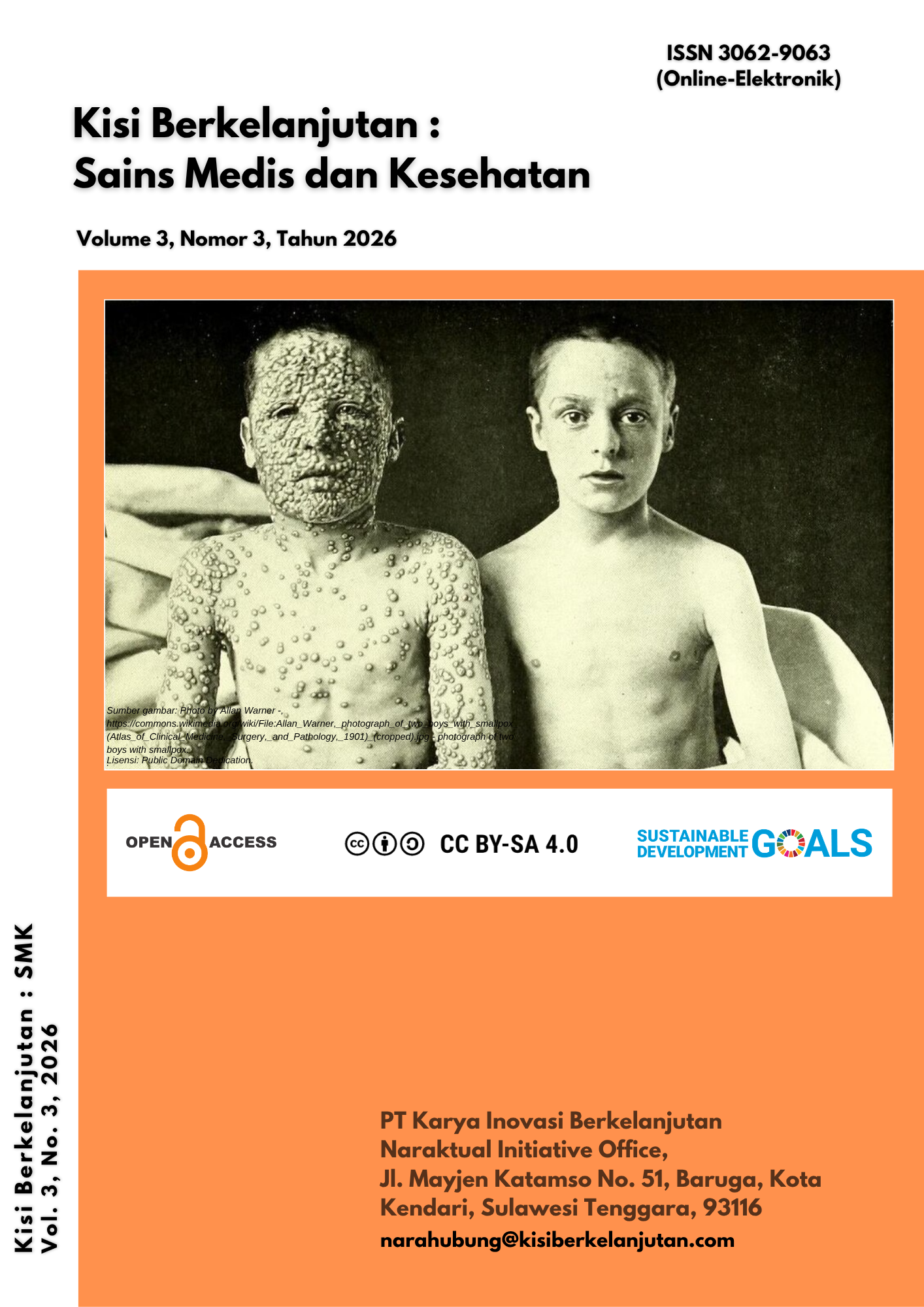
Vol. 3 No. 3 (2026)Cover Picture: Two boys with smallpox, photographed by Dr. Allan Warner of the Isolation Hospital at Leicester in the UK From: Atlas of Clinical Medicine, Surgery, and Pathology, 1901, with caption: Shows two boys, both aged 13 years. The one on the right was vaccinated in infancy, the other was not vaccinated. They were both infected from the same source on the same day. Note that while the one on the left is in the fully pustular stage, the one on the right has had only two spots, which have aborted and have already scabbed.
License: Public Domain.- Image Source: https://commons.wikimedia.org
-
January-March
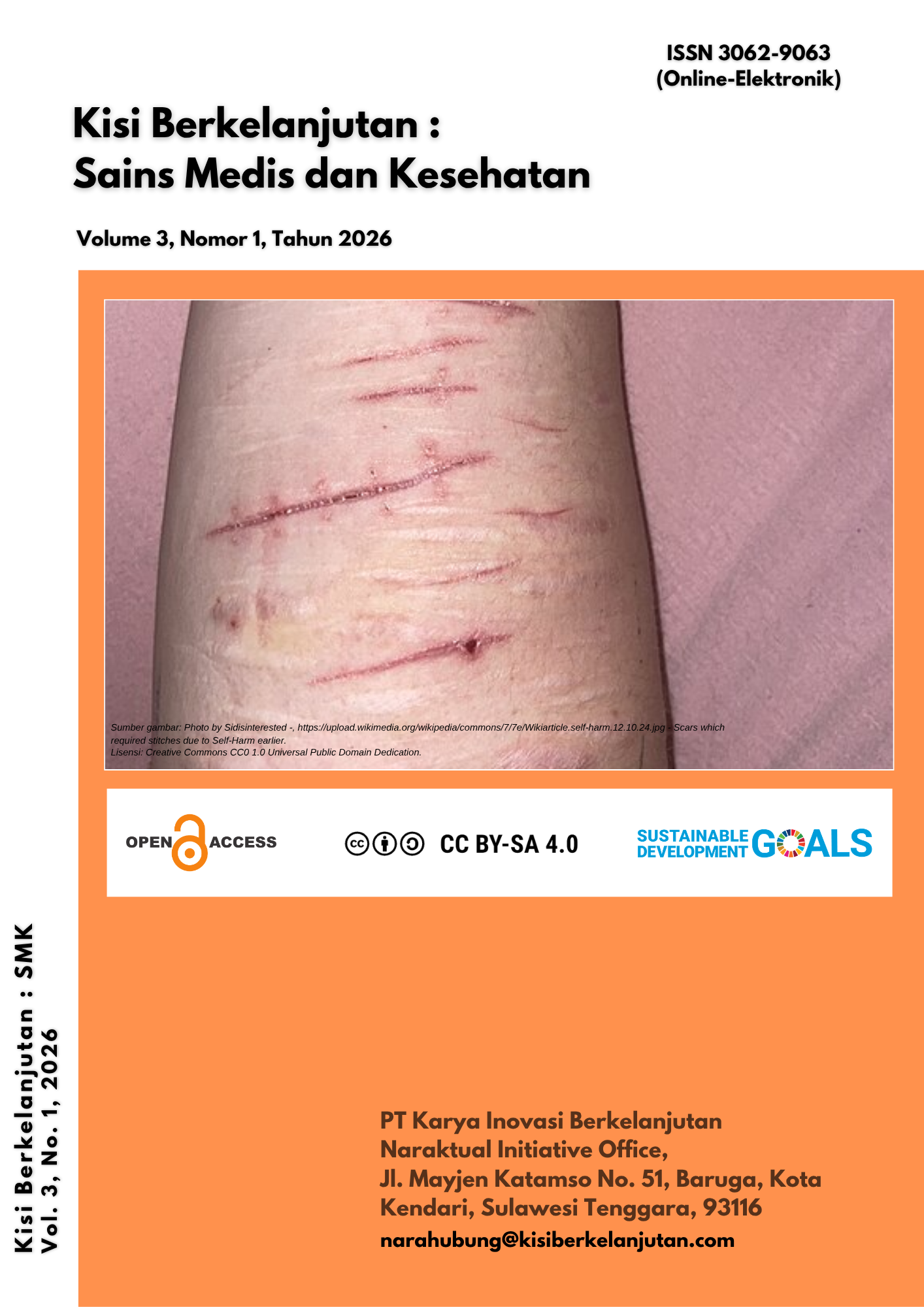
Vol. 3 No. 1 (2026)Cover picture: Scars which required stitches due to Self-Harm earlier. License: Creative Commons CC0 1.0 Universal Public Domain Dedication.
Image Source: https://commons.wikimedia.org
-
October-December
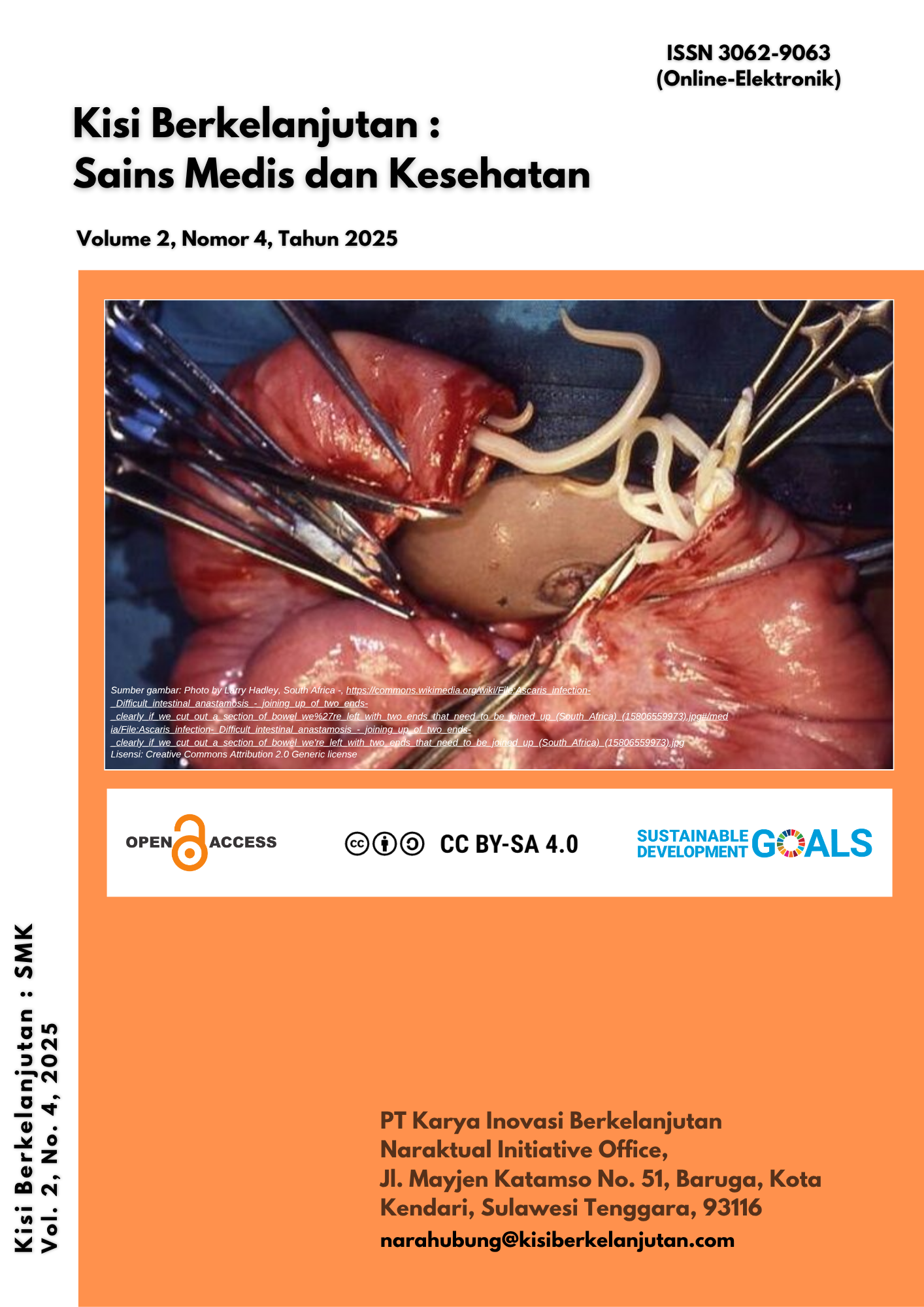
Vol. 2 No. 4 (2025)Cover picture: A gangrenous piece of bowel was cut out (this is termed volvulus - the bowel that has twisted in a way that cuts off its blood supply; the bowel becomes dead very quickly). From the bowel ends that have to be joined up again, ascaris are emerging. The worms are all alive and waving around.
The metal surgeon clamps (haemostats) are on the small blood vessels in the bowel mesentery which is a curtain of fat and membrane that holds the bowel to the back of the abdomen and through which the arteries that supply the bowel itself go. These clamps are used to stop bleeding while the next steps of the procedure are prepared. In those days (1988) piperazine would be instilled to try to stop the worms disrupting the stiches.License: Creative Commons Attribution 2.0 Generic license.- Image Source: https://commons.wikimedia.org
-
July-September
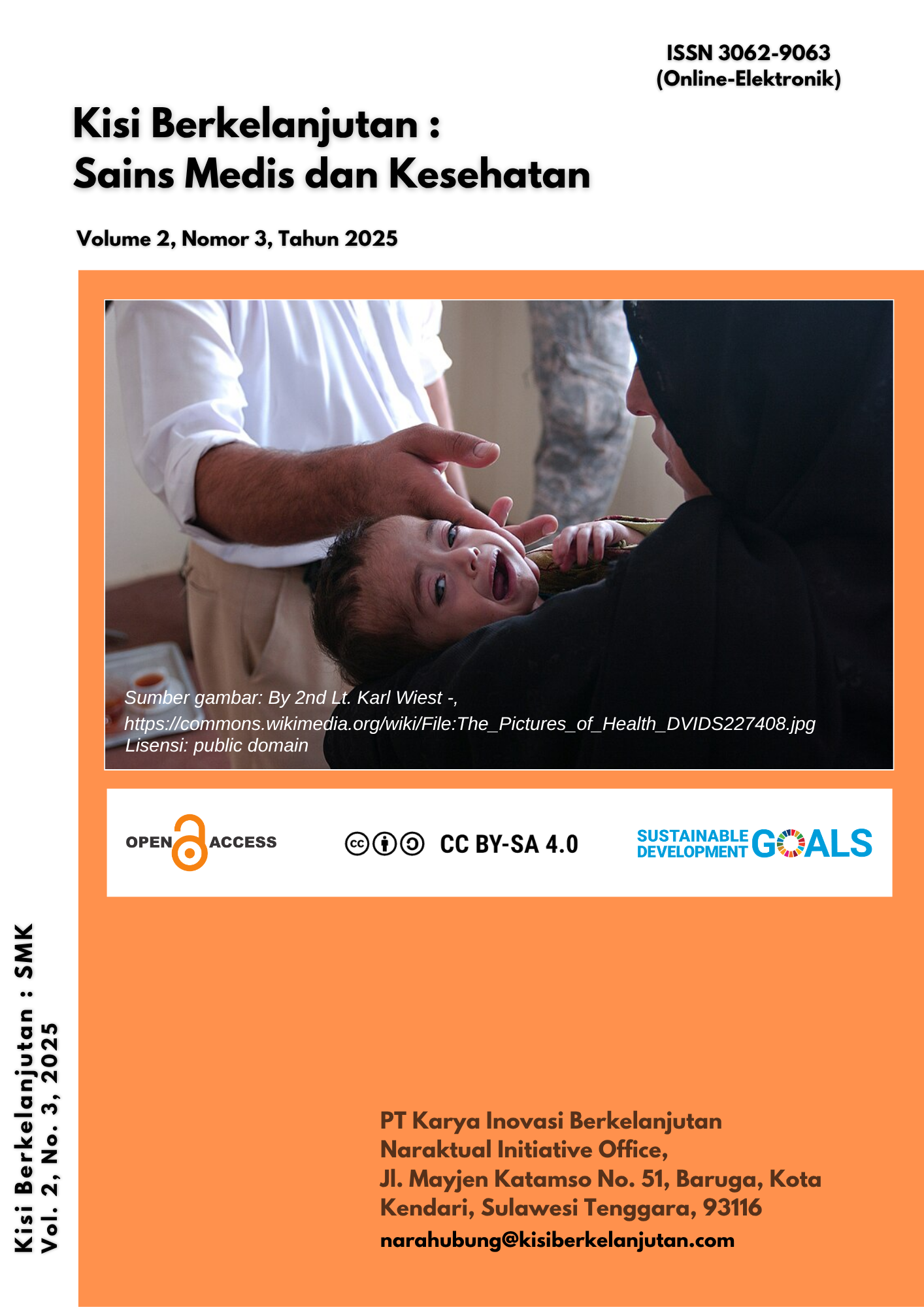
Vol. 2 No. 3 (2025)Cover picture: Severely malnourished and significantly underweight, 8-month-old Marzia cries out in her mother's arms inside the Farah Hospital on Nov. 14. Marzia is enrolled in the Feeding Program designed to supplement the diet of many young Afghan boys and girls, ranging in age from infant to adolescent, who are unable to consume a proper nutritional diet and who are considered to be dangerously underweight. Photo by 2nd Lt. Karl Wiest on November 14, 2009, in Farah Province, Afghanistan. License: Public Domain.
Image Source: https://commons.wikimedia.org/wiki/File:The_Pictures_of_Health_DVIDS227408.jpg
-
April-June
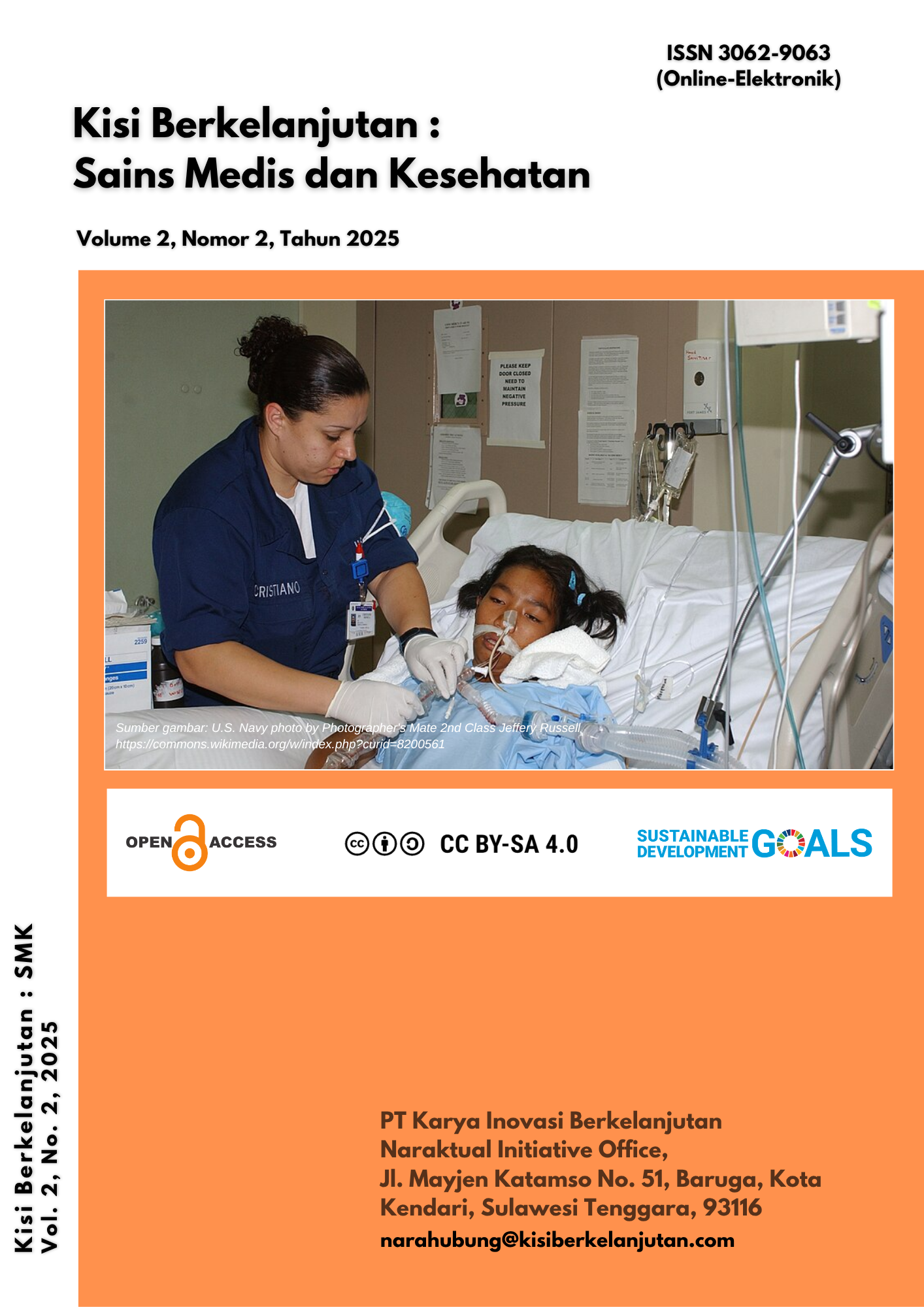
Vol. 2 No. 2 (2025)Cover image: Nias, Indonesia (April 21, 2005) - Hospitalman Monica Cristiano conducts integrated training with Indonesian nurses and shipboard staff aboard the Military Sealift Command (MSC) hospital ship USNS Mercy (T-Ah- 19). The nurses were trained on deep suction of the lungs and the care of an incubated patient that would prevent phoneme and common disease of bed-ridden patients. At the request of the government of Indonesia, Mercy, MSC combat stores ships USNS Niagara Falls (T-AFS 3) and USNS San Jose (T-AFS 7) are on station off the coast of Nias, providing assistance as determined appropriate and necessary with earthquake disaster relief efforts and provide medical assistance to those in need. U.S. Navy photo by Photographer's Mate 2nd Class Jeffery Russell (RELEASED).
License: Public domain.- Image soruce: https://commons.wikimedia.org/w/index.php?curid=8200561.
-

January-March
Vol. 2 No. 1 (2025)The cover illustration for this issue depicts an influenza vaccine vial alongside a syringe and laboratory tubes, representing the vital role of immunization, disease prevention, biomedical and pharmaceutical research, and proactive community health protection in evidence-based practice (Image source: canva.com).
-

October-December
Vol. 1 No. 4 (2024)The cover illustration for this issue depicts an in-person consultation and dialogue session between a healthcare professional and patients, representing the importance of effective communication, counseling, patient-centered care, and the strengthening of promotive and preventive aspects in evidence-based health practice (Image source: canva.com).
-
July-September
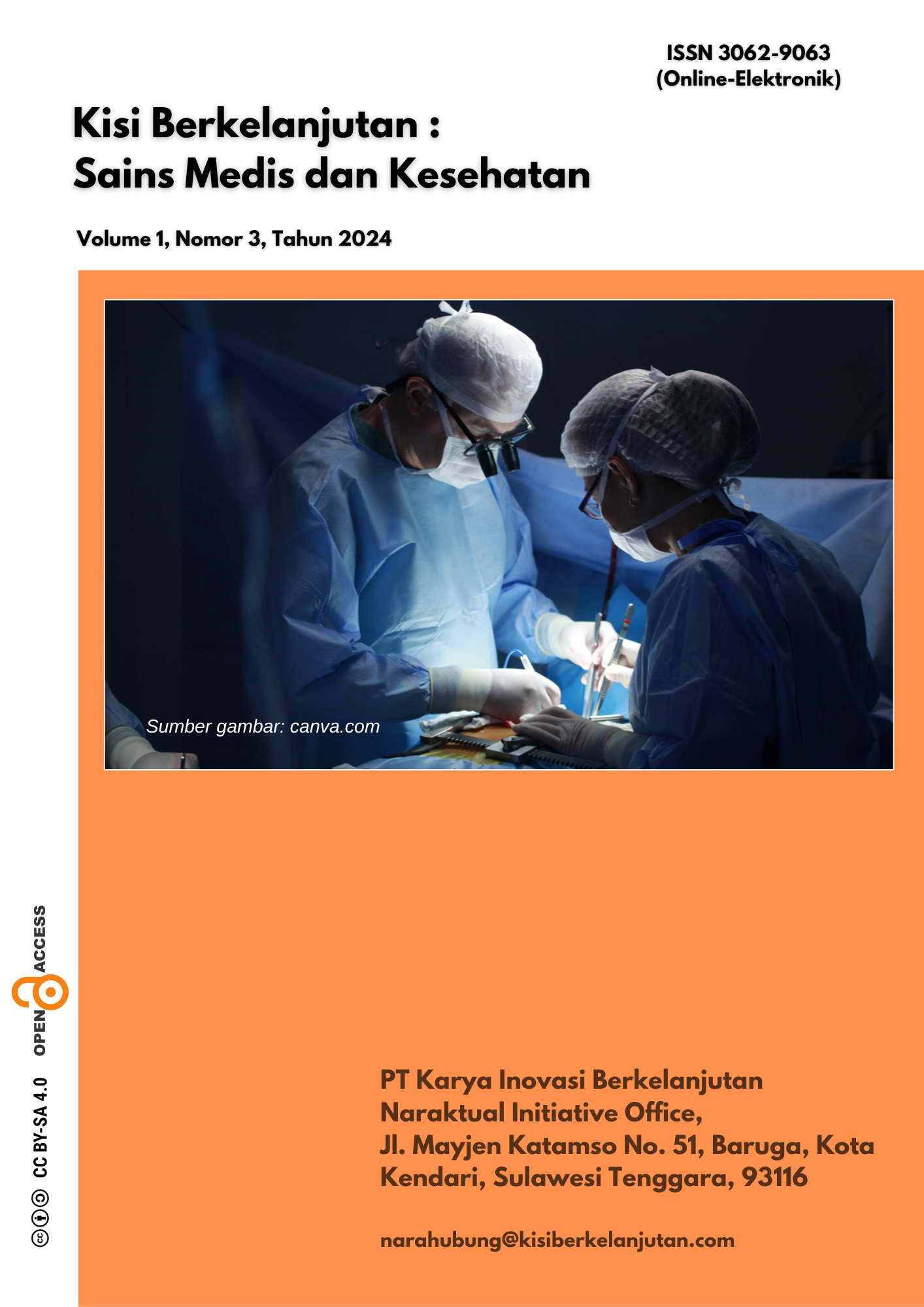
Vol. 1 No. 3 (2024)The cover illustration for this issue depicts medical professionals collaborating in a precise surgical procedure, representing dedication, scientific rigor, and interprofessional teamwork in evidence-based medical practice and healthcare delivery (Image source: canva.com).
-
April-June
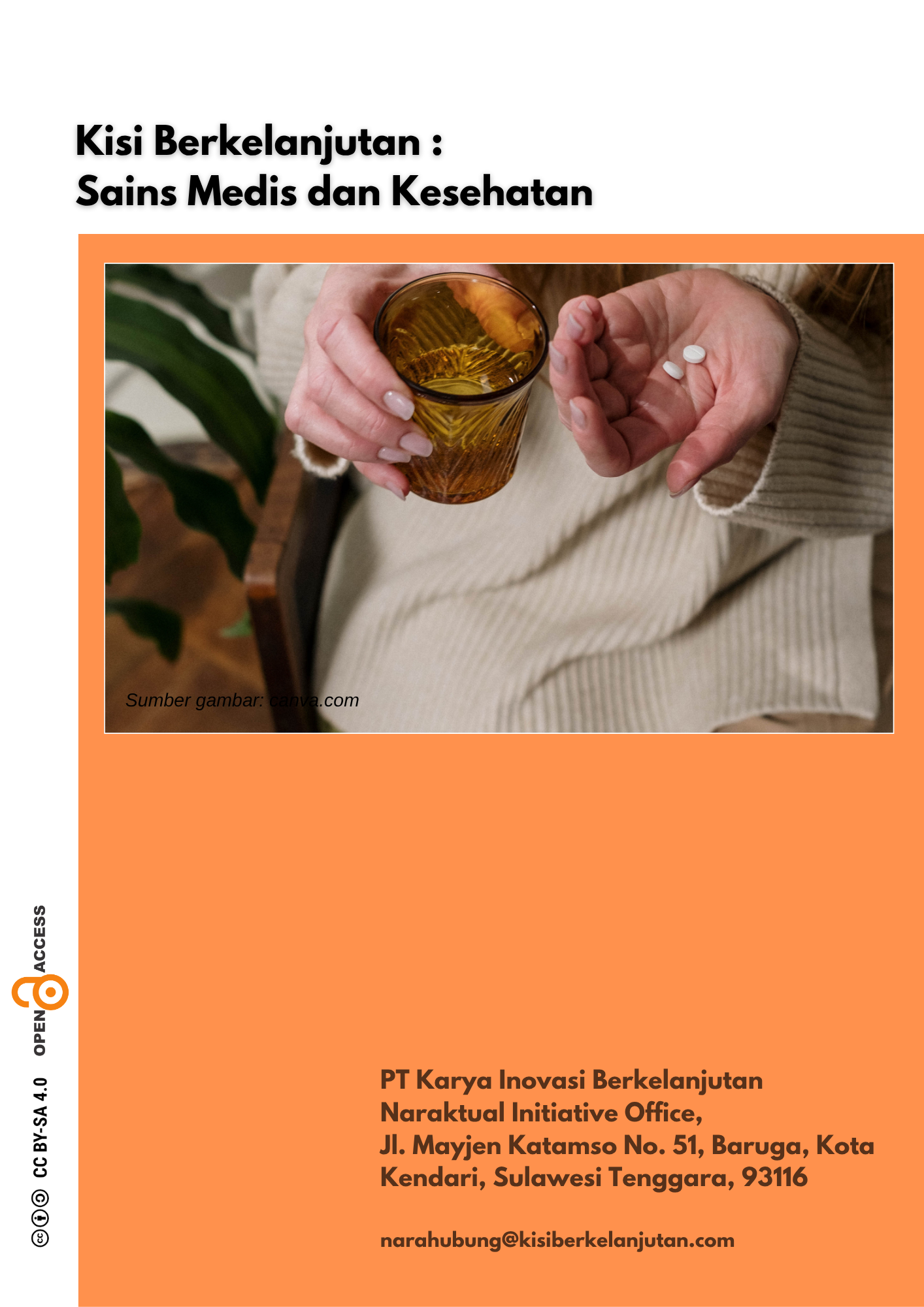
Vol. 1 No. 2 (2024)A Special Issue on Complementary Midwifery Care, presenting a collection of scientific articles from research focused on advancing maternal and women's health, holistic midwifery practices, and biomedical sciences. The cover illustration for this issue depicts an individual holding oral supplements alongside a glass of water, representing the importance of maternal nutrition, therapeutic adherence, and the safe integration of clinical supplementation and complementary care in evidence-based health practice (Image source: canva.com).
-

January-March
Vol. 1 No. 1 (2024)A Special Issue on Complementary Midwifery Care, presenting a collection of scientific articles from research focused on advancing maternal and neonatal health, holistic midwifery practices, and biomedical sciences. The cover illustration for this issue depicts a healthcare professional gently performing an antenatal examination on a pregnant woman, representing compassionate care, clinical attentiveness, and the integration of safe, evidence-based complementary approaches in supporting pregnancy and childbirth (Image source: canva.com).